

Natural things exist only a little; reality lies only in dreams. -Baudelaire
Every artist needs to stop actively creating every once in awhile and assess what he has done and contemplate where he wants to go. Over the summer I got caught up in the painter Gerhard Richter and watched the documentary “Gerhard Richter Painting”. A lot of thoughts went through my head. The main thought about photography was this, it is so easy to make a sharply focused, well exposed photograph. The problem is that the vast majority of technically perfect photographs found all over, don’t say anything. I want my photographs to be expressive and evocative. Not necessarily dealing with the surface aspects of things (of which photography is so good at doing) and try to reach something a little deeper.

What I was most struck by was Richter’s embrace of the accidental in his process. When he squeegees a painting little accidents happen. You can see it happening as you watch the movie and it is a kick to see his process and watch the expression on his face as little revelations reveal themselves in the painting. Richter’s abstract paintings are my favorites. But I also like his blurry paintings:
I’ve never found anything to be lacking in a blurry canvas. Quite the contrary: you can see many more things in it than in a sharply focused image. A landscape painted with exactness forces you to see a determined number of clearly differentiated trees, while in a blurry canvas you can perceive as many trees as you want. The painting is more open.
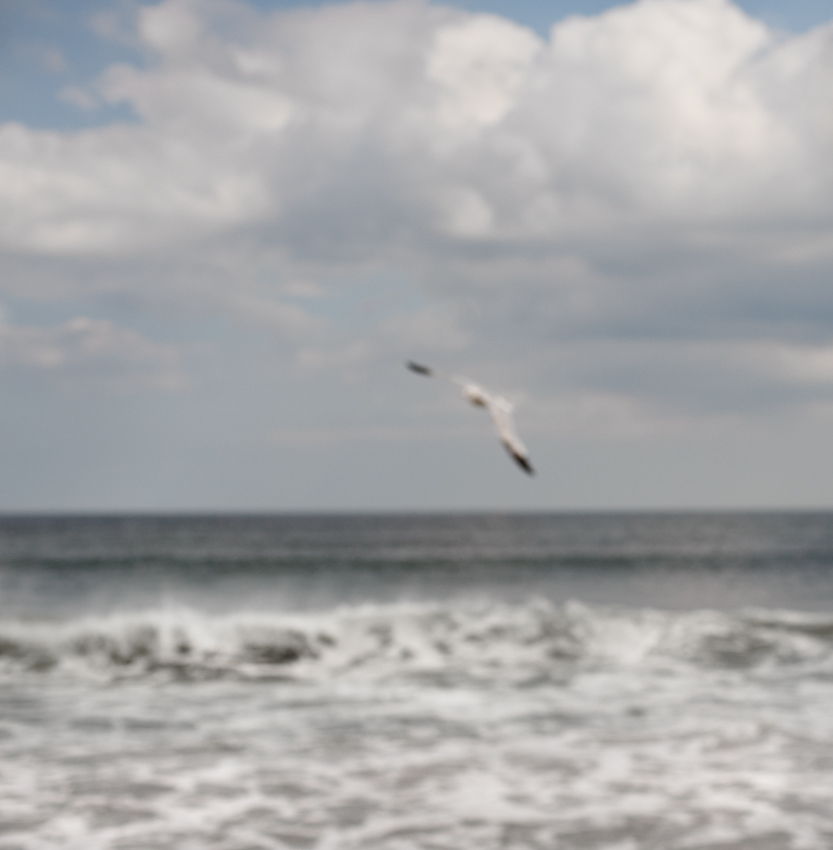
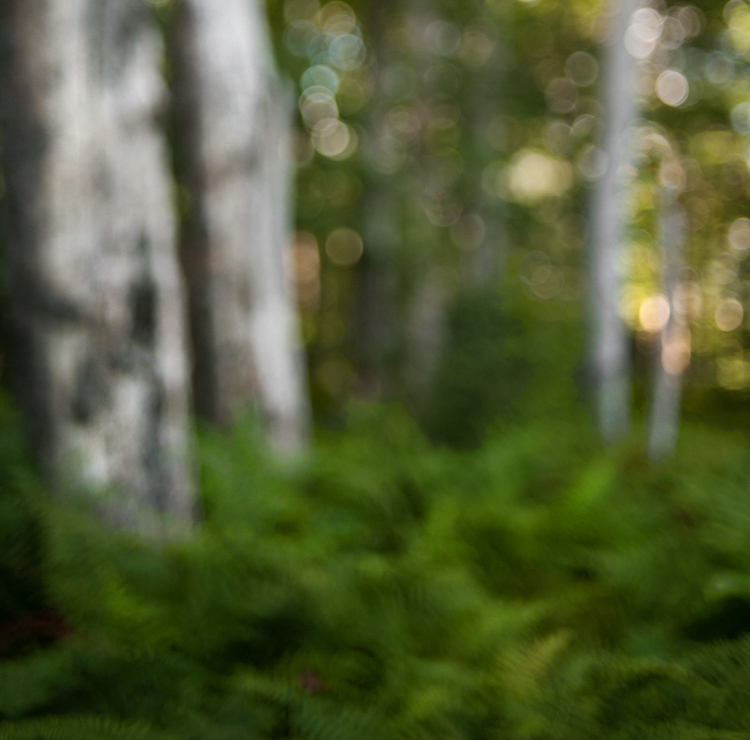
With those words I set off on a new path. Blurry landscapes that capture the essence of what a landscape in art really is; someone’s perception of what nature should be at some remove. It is not necessarily your perception since there isn’t really any natural places that can be accessed that has not already been transformed in some way by the hand of man. I photograph and yet don’t see, what I depict is an interpretation of reality with all of the fuzziness and blurriness that entails. Fuzzy facts.
 Force Of Seeing