

The 1975 exhibition at George Eastman House, New Topographics, heralded an emerging generation of photographers who questioned the prevailing romantic and pictorial paradigms of landscape photography as embodied in the work of photographers such as Ansel Adams. This exhibition has entered the annals of art history as a paradigm shift in photography, one that suggests a collective ambivalence about how industrial development and decay, urbanization and suburbanization, affect our notions of landscape.
Before the New Topographics, nature was viewed as being separate from us and belonged to the spiritual and beautiful. It was touted as something worth preserving. After the exhibition, nature was still seen as separate from us but human society was staged as being in opposition to nature. In recent times, (New Topographics was almost forty years ago) there are some photographers such as Toshio Tobata and Terri Weifenbach and Paul Gaffney, where nature is depicted as more integral. It is not separate. We walk through it, we live in it, it grows on our fences and house, it relaxes us and also enrages us. It is beautiful and it is ugly. We are enmeshed. We each have our own personal relationship with nature. We ignore it, we embrace it and all of the myriad variations in between.
In this view nature is local and takes the shape of any human infrastructure. It possesses a private compass that reaches as far as your eye can see or your legs can walk.
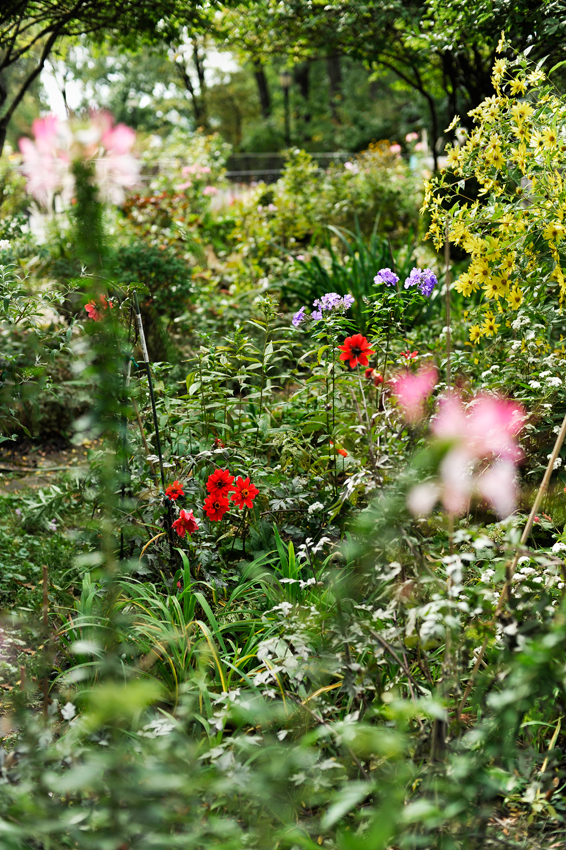
 Force Of Seeing