
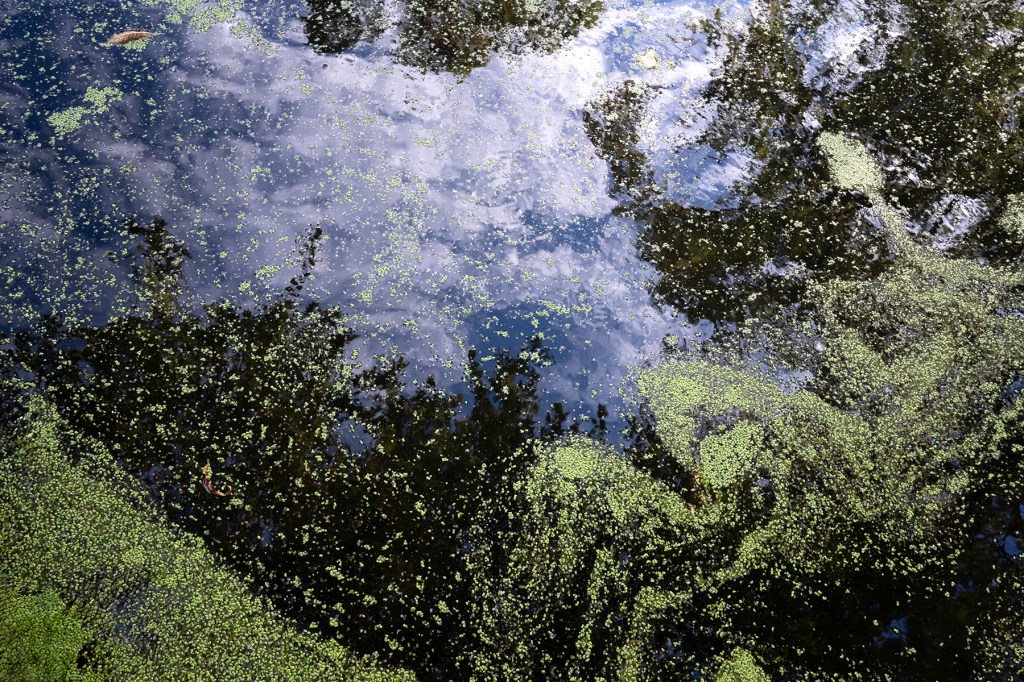
As a photographer who started back before digital I realize how much easier it is today to produce a technically good image. You can get something straight out of the camera with today’s technology that would have taken hours of work in a darkroom in years past. But that doesn’t mean you are a good photographer. As Ansel Adams once quipped, “I hate seeing a sharp picture of a fuzzy idea.”
In photography the vision behind the image is just as important if not more important than the technical. The force of seeing that led you to make that photograph, the idea you want to communicate with the photograph is now of utmost importance. The idea dictates how you approach the making of the image. Exposure, depth of field, contrast, dynamic range are all aspects of picture making which are now much easier to control and manipulate. Like I said this all can almost be done in camera with today’s technology.
In creating the image above I put the camera on a tripod, adjusted the suggested exposure, adjusted the white balance, and with some slight dodging of the clouds and a slight hue adjustment to the blue and yellow colors in Photoshop, I achieved the image you see above.
Contrast this with Paul Caponigro’s amazing image, Reflecting Stream, Redding, CT, 1968:
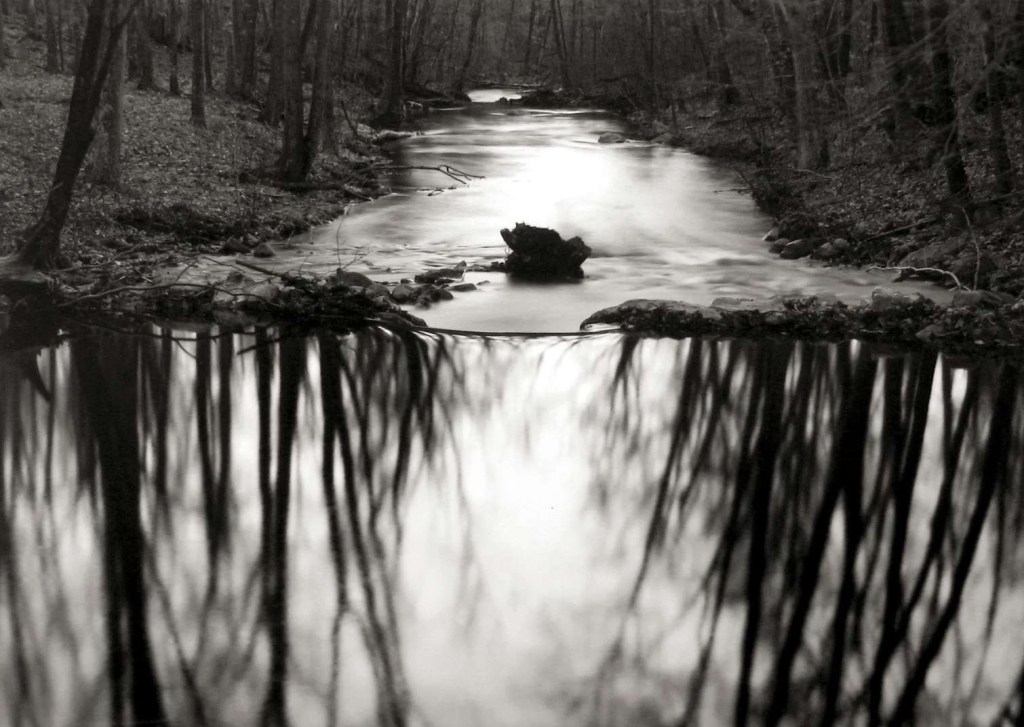
The story goes that Paul Caponigro was returning home after a long day of shooting. It was evening, just before sunset. There is bridge that he takes to get to his home and on this day as he crossesthe bridge he sees the image above. He quickly unpacks his tripod, and view camera. He sets up the camera throws the dark cloth over his head and quickly composes the image. He takes a meter reading and does the Zone system calculations and then places the film folder in the camera. He sets the shutter speed and aperture and then cocks the shutter. He pulls the dark slide out and trips the shutter to take the picture. As he is flipping the film holder to take a second image the sun goes down and the reflection disappears. Caponigro still needs to go into his darkroom and develop the film and print the image which is a whole other series of tests and tasks which can take days to get a final result.
Just because it took Paul Caponigro more labor and know how than it took me doesn’t necessarily make Caponigro’s image better (although it is world’s better, let’s admit it). What we celebrate is his craft and vision.
We still celebrate a photographer’s vision and craft. But today the craft part is a lot less labor intensive but the know how and the intelligence to know how and what you want to communicate has become utmost. The important thing for photographers to remember now is the context in which you place your images in is now more important than just craft. Knowing how your image(s) relate and comment upon all the other images that have come before and also relate to the current world around you is now the art of photography.
Just a quick little end note. I decided to compare my image, Pond, with Paul Caponigro’s, Reflecting Stream, Redding, CT, 1968, not because they both deal with water as an overt subject. But because they both deal with what is beyond what one sees. Paul Caponigro takes a very spiritual approach where as I like my images to explore the ideas of quantum physics and the metaverse. There are more realms than what one can experience. See my latest zine, Heliography.
 Force Of Seeing