
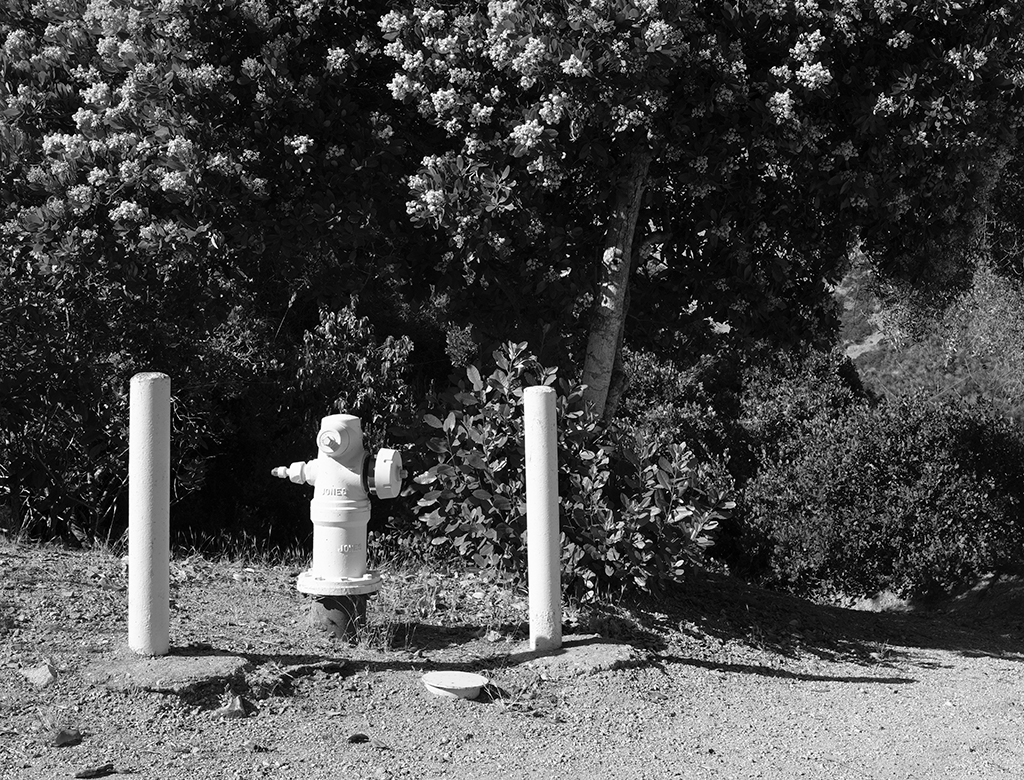
Recently a photographer buddy of mine sent me a link to an article by The Phoblographer with the comment, “I plead guilty.” I am assuming he agreed with the article’s sentiments.
Here is the part that stood out to me and what I want to address in this post.
I remember back when we shot film; every image had to count, every photo had to be shot with intent, and man it is was infuriating when you knew you just blew an exposure on your roll of film. I need to get back to thinking that way. We can start valuing photography again when we can take pictures that really mean something, instead of just having digital photo albums filled with nonsensical dross.
I have written about photography in “The Digital Age” previously specifically on how photography is used differently by digital natives today. Images as a way of communication not art.
First I want to address the notion that back in the day every shot on film was sacred. I was a photo editor in the 90’s (yes, last century). One of my favorite memories of being a young photo editor at Natural History magazine that I like to share and one that I used recently when my daughter (herself a budding shutterbug) asked me how I get so many good photographs. I tell her that for every good image I get I shoot 100(s) plus awful ones. I tell her I was taught that by a famous National Geographic photographer that I hired for a photo assignment. It was for a cover story. And after the assignment was completed I received an invoice which included a charge for processing 300 rolls of Kodachrome film. So imagine my surprise when the images for the assignment arrives and I receive a single slide sheet containing 25 slides!
The next minute I am on the phone to the photographer. Since I was a budding photo professional just starting out and he was a well regarded and highly experienced photographer I was a bit deferential and just expressed my confusion regarding the discrepancy between the invoice and images received. His simple explanation was, that’s how much film it takes to get 25 or so good images. This was confirmed by a follow up call to fellow photo editors at National Geographic. Of course my boss also asked me to get him to send all of the film he shot for the assignment. He was basically right. There were a few alternates we selected that illustrated specific parts of the story but on the whole he was correct.
Every photographer has to choose what to present to the world and what to hold back. The dilemma today is one of editing and selection. We tend to build up more photographic dross because the cost of image making is much less. If I could have purchased and stored the amount of film back then that I would need to shoot the amount I shoot today digitally I would have. But there were limitations and we learned to live and adapt to those limitations. One of those adaptations was to shoot slower and more deliberately. We still bracketed and when I shot for a magazine I bracketed as much as possible but was still limited to how much film I could carry into to the field. There was a whole lot more uncertainty back then.
I also remember a story regarding the photographer Robert Frank. I think. it comes from the catalog for the huge traveling retrospective, Looking In. Frank was staying at a friend’s apartment during part of his travels for the project and was using his friend’s darkroom to develop and edit his film. Frank was so confident in his seeing that he would hold the film up to the light and choose the lengths of film he wanted to keep and let the rest fall in the garbage can. I think we should do that more today and use that digital garbage can labelled “delete”.
Every image has as much meaning as you, the photographer, and you, the viewer, imbue it with. It’s a beautiful dance when an image is sent forth into the world with the intention of communicating an emotion or idea. This is something entirely different than what is happening on Instagram for the most part. That is a language of a younger and digitally native generation. They are looking to promote themselves and their brand. This has nothing to do with photography as an art form.
 Force Of Seeing